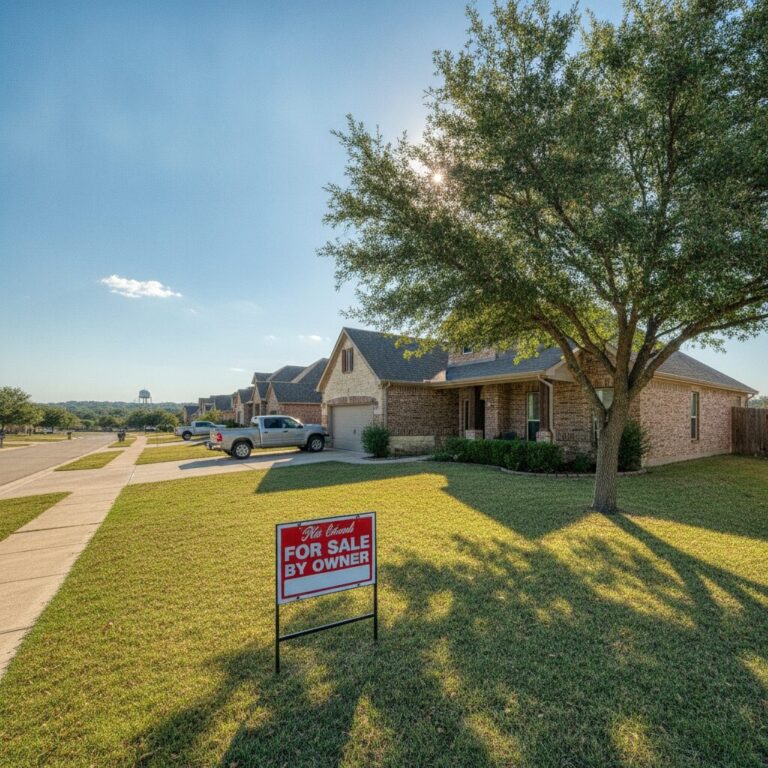
Why Every Homeowner Needs a Pre-Listing Checklist Before Selling
A pre-listing checklist is the single most underrated tool a home seller has, because the weeks before a property goes live often decide how much money leaves the closing table. It forces homeowners to choose the right repairs, skip the wrong ones, gather documents, prepare for photos, and pick the right agent-before pressure and emotion take over. Selling a home is a financial event, not just a life event. Treating it like one starts with preparation, not the listing photos. HomeShow.ai built its Pre-Listing Checklist around this exact idea: planning protects money. Below is what to focus on, what to skip, and how a structured checklist changes the math on your sale.
Preparation Is Where the Money Actually Starts
Most homeowners assume the sale begins the day the listing goes live. It does not. The financial outcome is shaped weeks earlier-when you decide which repairs to make, which upgrades to skip, how to stage the rooms, and which agent to hire. Zillow’s 2024 seller research found that 72% of sellers completed at least one improvement project as part of selling their home. So most sellers are already spending. The problem is they spend without a plan. That leads to predictable mistakes. Money goes into the wrong rooms. Cheap, high-impact fixes get ignored. Decisions get made the week before photos, under stress, when bargaining power is lowest. A checklist slows the process down enough to think clearly-which is usually where the savings come from.
The Right Improvements Pay Off. Most Don’t.
Not every renovation belongs in a pre-sale plan. A full kitchen remodel, a luxury bathroom redo, or a designer overhaul almost never returns its cost in the months before listing. Those are lifestyle projects, not sale projects. Targeted preparation is a different story. The National Association of REALTORS® and the National Association of the Remodeling Industry, in their Remodeling Impact Report, found that some projects recover a meaningful share of their cost at resale:
| Project | Cost Recovered at Resale |
|---|---|
| Hardwood floor refinishing | 147% |
| New wood flooring | 118% |
| Insulation upgrade | 100% |
The takeaway is not that every seller should refinish floors. The takeaway is the framing. Stop asking, “What can I renovate?” Start asking, “What should I do before listing that may protect or increase my sale value?” Those are very different questions, and they lead to very different invoices.
A Checklist Prevents Expensive Mistakes
Without a plan, sellers default to the wrong moves. They repaint rooms buyers don’t care about. They replace fixtures that buyers would have lived with. They ignore curb appeal, skip basic maintenance, and leave obvious red flags visible during showings and inspections. Each mistake has a price. A buyer may discount the home because it reads as poorly maintained. An inspector may flag issues that a $200 service call would have closed out. A buyer may demand credits. The home may sit longer than expected, and the seller-now anxious-may accept a weaker offer than they would have two weeks earlier. A strong pre-listing checklist covers the unglamorous categories that actually drive buyer perception:
- Minor repairs
- Cleaning and decluttering
- Landscaping and curb appeal
- Paint touch-ups
- Flooring review
- Lighting and fixture checks
- Appliance and system review
- Staging preparation
- Photo readiness
- Document gathering
- Contractor coordination
- Agent selection
The goal isn’t perfection. It’s removing the obvious objections buyers would otherwise use against you in negotiation.
Presentation Quietly Moves Offer Prices
Buyers don’t only evaluate square footage and school zones. They respond to condition, light, smell, layout, and how easily they can picture their own life in the rooms. That is why staging shows up in the data. The National Association of REALTORS® reported in 2025 that 29% of agents said staging increased the dollar value offered by 1% to 10%, and 49% of sellers’ agents said staging reduced time on market. Run the math on a $500,000 home. A 1% lift is $5,000. A 3% lift is $15,000. Even a fraction of the higher end of that range covers cleaning, paint, and a weekend of decluttering many times over. You don’t need a professional stager to capture most of that effect. A practical pre-listing checklist focuses on what moves the needle:
- Declutter the rooms buyers care about most-kitchen, primary bedroom, living areas.
- Improve lighting with higher-wattage warm bulbs and clean fixtures.
- Clean deeply, including baseboards, grout, and inside the oven.
- Remove distracting personal items and family photos.
- Simplify furniture layouts so rooms feel larger.
- Refresh curb appeal-mulch, trimmed hedges, a clean front door.
- Make the home feel maintained and move-in ready.
Buyers Pay More for Move-In Ready Homes
Today’s buyer is tired. Higher mortgage rates, affordability pressure, and the unpredictability of contractor costs have changed what buyers want. Fewer of them want a project. More of them want a finished home they can move into next month. Zillow’s 2024 listing analysis found that homes described as remodeled sold for a 3.7% premium-about $13,194 on a typical U.S. home. That is not a license to remodel. It is evidence that buyers reward homes that read as finished, cared for, and easy to take over. “Ready” looks different for every property. For one home, it means refinishing floors and repainting the trim. For another, it means landscaping, replacing dated light fixtures, and organizing the maintenance binder. Sometimes the smartest move is to do less and let an experienced agent position the home accurately. The pre-listing checklist exists so you make that call deliberately instead of by default. 
Organization Creates Negotiation Leverage
Pre-listing prep isn’t only cosmetic. It’s positional. A homeowner who walks into listing day with completed repairs, receipts, warranties, utility history, appliance manuals, and contractor records is operating from a different position than one who is scrambling to find the HVAC service date the morning of the inspection. The first seller answers questions. The second seller reacts to them. This is where HomeShow.ai’s HomeVault earns its keep. If you’ve been tracking inventory, warranties, and service history all along, half of the document-gathering step is already done. If you haven’t, the checklist is your prompt to start now-even three or four weeks of organized records can change how confident you sound when an inspection report lands.
A disorganized seller reacts. An organized seller responds.
Better Planning Helps You Pick the Right Agent
The listing agent decision is one of the largest financial choices in the entire sale. A strong agent affects pricing, positioning, marketing reach, negotiation, and how cleanly the transaction closes. Yet many homeowners pick an agent in a single afternoon-usually someone they already know-without comparing commission structures, marketing plans, or local track records. That’s the gap HomeShow.ai’s ListMatch is built to close. After you’ve used the Pre-Listing Checklist to organize the property, ListMatch lets you set your terms and invite qualified listing agents to compete for the business. The question shifts from “Who do I know?” to “Who is willing to compete for my business, understand my goals, and offer the best value?” When you compare agents, look at:
- Commission structure
- Marketing plan and photography quality
- Local experience and recent comps
- Communication style and responsiveness
- Listing strategy and pricing approach
- Service level and support during preparation
- Timeline and availability
- Overall fit with your goals
The HomeShow.ai Seller Flow
The full seller journey is meant to start well before the sign goes in the yard:
- Claim your home on HomeShow.ai.
- Start the Pre-Listing Checklist.
- Organize repairs, cleaning, staging, and document tasks.
- Launch ListMatch and set your terms.
- Compare and select the right listing agent.
- Use the Home Transaction Hub to stay organized through closing.
The point isn’t to add steps. It’s to turn a scattered, emotional process into a sequenced financial one. Each step builds leverage for the next.
A Smarter Way to Protect Your Sale Value
Selling a home isn’t about finding a buyer. It’s about preparing an asset, protecting value, reducing avoidable objections, choosing the right representation, and managing the process with discipline. That work starts before the listing goes live, and a pre-listing checklist is how you make sure it actually happens. Prepare the home. Skip the wasteful repairs. Make the high-leverage fixes. Reduce buyer objections before they become buyer credits. Set your terms. Let qualified agents compete for your business. That’s the difference between selling a house and selling it well.