Home Warranty vs Appliance Warranty vs Manufacturer Coverage: What Actually Pays Out
Here’s the short answer on home warranty vs appliance warranty coverage: a manufacturer warranty pays for defects in a single product for a fixed window (usually 1 year, sometimes 5–10 on sealed parts). An extended appliance warranty — sold by the retailer or manufacturer — pays for mechanical failure of that one item past the original term. A home warranty is a service contract that covers multiple systems and appliances in your house for a flat annual fee plus a per-visit trade fee. They are three different products solving three different problems, and Texas homeowners with a 12-year-old condenser and a builder-grade range usually need a mix, not one of them.
Below is what each one actually pays out, where claims get denied, and when stacking coverage earns its keep — especially for Austin and DFW homes pushing their HVAC into its second decade.
The three types of coverage, defined
People use “warranty” to mean any of these, which is how homeowners end up surprised at claim time. They are not interchangeable.
- Manufacturer warranty. Comes with the product. Covers defects in materials or workmanship. Free. Tied to original purchase and often to professional installation.
- Extended appliance warranty (service plan). Sold by the manufacturer (LG Premium Care, Samsung Care+), the retailer (Lowe’s, Best Buy Geek Squad, Home Depot), or a third party (Asurion, Assurant). Extends mechanical/electrical coverage for 2–5 years past the original term. Per-item.
- Home warranty. An annual service contract from companies like American Home Shield, Choice, First American, Cinch, or 2-10. Covers a bundle of systems (HVAC, plumbing, electrical, water heater) and appliances (fridge, range, dishwasher, washer/dryer) regardless of age, subject to caps and exclusions.
Price points in Texas right now: extended plans run $80–$250 per appliance for 3–5 years. Home warranties run $500–$900/year with a $75–$150 service fee per visit. Manufacturer coverage is free but short.
Side-by-side: what actually gets paid
This is the comparison most people want and never get from the sales page.
| Scenario | Manufacturer | Extended Appliance | Home Warranty |
|---|---|---|---|
| Compressor dies on a 2-year-old LG fridge | Yes (sealed system often 5–10 yr) | Yes | Yes, up to cap (~$1,500–$3,000) |
| Dishwasher control board fails at year 4 | No (expired) | Yes, full replacement of part | Yes, minus trade fee |
| 15-year-old AC condenser stops cooling in July | No | N/A — wasn’t sold with extended plan | Yes — but expect a cap and “non-covered” charges |
| Water heater leaks and floods utility room | Tank only, not labor or damage | N/A | Replaces unit; flood damage is NOT covered |
| Range knob cracks from normal use | Sometimes (cosmetic clauses vary) | Usually yes | No — cosmetic exclusion |
| Garage door opener motor burns out | If under 1 yr | Rarely covered | Yes |
| Power surge fries the microwave | No | Sometimes (depends on plan) | Usually no — “act of nature” exclusion |
Two patterns jump out. Manufacturer coverage is generous on parts and stingy on labor and timing. Extended plans are deep but narrow — one item, no systems. Home warranties are broad but shallow, with caps that bite hardest on the expensive failures (HVAC replacement, refrigerant work, septic).
Why home warranty claims get denied
The Texas Department of Licensing and Regulation gets a steady stream of complaints about residential service contracts, and the denial reasons rhyme across providers. If you know the script, you can either avoid the trap or fight back with evidence.
- “Pre-existing condition.” The single most common denial. If your AC had a slow refrigerant leak before the contract started, the claim is dead. Counter: get an inspection report dated before policy start, and keep service records.
- “Improper maintenance.” Filter wasn’t changed, coils weren’t cleaned, water heater wasn’t flushed. The technician notes it on the visit report and the back office denies. Counter: keep receipts for tune-ups, even DIY filter purchases dated through Amazon or Home Depot accounts.
- “Improper installation.” Common on tankless water heaters and mini-splits installed by a friend-of-a-friend. If it wasn’t permitted and inspected, expect denial.
- “Code upgrades not covered.” Your 2008 furnace dies. The replacement requires a new vent stack and a condensate pump to meet current code. The warranty pays for the furnace; you pay $1,200 for the code work. Read the “modifications” exclusion before you sign.
- “Mismatched system.” Replacing only the AC condenser when the indoor coil is the wrong size or age. They’ll cover the part, not the matched-system upgrade.
- “Outside the dwelling” or “secondary.” Detached garage fridge, pool equipment, well pumps — usually extra riders.
- “Cosmetic” or “rust/corrosion.” A Texas favorite. Coastal humidity in Houston and Corpus does in a lot of compressors and the denial letter calls it corrosion, not mechanical failure.
Extended appliance plans deny less often because the scope is narrower and the underwriter (often Asurion or Assurant) knows exactly what the product is. The denials there center on accidental damage, cosmetic issues, and consumables (filters, belts, bulbs).
Where manufacturer coverage quietly outperforms everything else
People skip manufacturer warranties because they’re short. That’s a mistake on three categories of equipment.
Sealed HVAC systems. Trane, Carrier, Lennox, and Goodman all offer 10-year parts warranties on registered units — but only if you register within 60 or 90 days. Skip registration and you drop to 5 years. On a $9,000 system, that’s real money. Goodman will replace a failed compressor under year-8 of a registered warranty; no home warranty does that without a cap fight.
Sealed refrigeration systems. LG, Samsung, GE Profile, and Whirlpool typically cover the compressor and sealed system for 5–10 years. The labor isn’t covered after year 1, but the $600 compressor is.
High-end ranges and dishwashers. Bosch offers 2 years standard. Sub-Zero/Wolf goes to 2 years full, 5 years sealed system, 12 years on compressor. If you bought premium, you already paid for long coverage. Don’t buy it twice.
Register everything within 60 days of installation. Take a photo of the model and serial plate. Save the receipt as a PDF. This is the single highest-ROI hour of paperwork a homeowner can do.
When stacking actually pays off
Stacking means carrying more than one type of coverage on the same item. It’s not always wasteful. The math works in three situations common in Texas homes.
1. Aging HVAC plus a home warranty
If your condenser is 10+ years old and out of manufacturer coverage, a home warranty’s $60–$75/month is cheaper than financing a $9,000 replacement. Most Texas providers will cover a like-for-like replacement up to a cap (often $1,500–$3,000 on HVAC), and you cover the difference. On an R-22 system where refrigerant alone runs $150/lb, even a partial payout is meaningful. Pair with annual tune-ups so “lack of maintenance” can’t be used as a denial.
2. Kitchen appliances 4–8 years old, no extended plan
This is the sweet spot for home warranty appliance riders. Manufacturer coverage expired, the appliance is too old to buy a fresh extended plan, and control boards on French-door fridges and induction ranges run $400–$900 in parts alone. A home warranty’s $100 trade fee plus annual premium beats the repair bill on the second incident.
3. Brand-new premium appliances during the gap year
You bought a Bosch dishwasher with 2 years from the factory. Don’t buy an extended plan in year 1. Buy it in month 22, right before the manufacturer warranty ends. Same protection, less overlap, sometimes cheaper because retailers run renewal promos.
Where stacking is a waste: a brand-new fridge with 5-year sealed system coverage plus an extended plan plus a home warranty rider. You’re paying three times for the same compressor.
A Texas-specific cost example
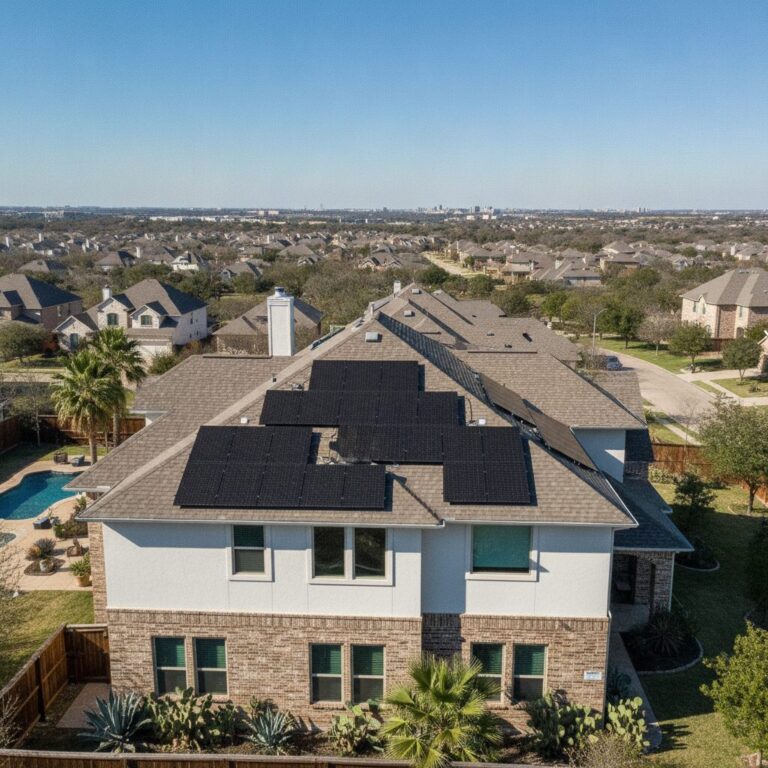
Consider a typical 2008-built Austin home: 14-year-old 4-ton AC, original water heater, builder-grade Whirlpool kitchen package now 6 years old after a remodel.
- Home warranty (Choice Ultimate or AHS ShieldComplete): ~$780/year + $100 trade fee. Covers HVAC, water heater, all kitchen appliances, plumbing, electrical.
- Manufacturer coverage remaining: Zero on HVAC and water heater. Possibly sealed-system on the fridge if registered.
- Extended plans: Not available on items this old.
Expected annual repair spend on equipment this age, per HomeAdvisor and Angi Texas data: $1,100–$1,800. One HVAC capacitor + refrigerant top-off + dishwasher control board in a year clears the home warranty’s break-even easily. Two years without a claim and you’re behind. The bet is on the failure curve, not on any single year.
How to decide in 10 minutes
Run this quick triage on each major item in your home:
- Age under 1 year? Manufacturer covers it. Do nothing except register and file the receipt.
- Age 1–3 years, premium brand? Sealed-system manufacturer coverage probably still active. Skip extra plans.
- Age 1–3 years, builder-grade or mid-market? Decide on extended plan based on repair cost vs. replacement cost. Rule of thumb: skip if the appliance costs under $600 new.
- Age 4+ years, multiple aging items? A home warranty starts to make sense. Pick a provider with clear HVAC caps and a published exclusions list.
- HVAC over 10 years old? Home warranty plus a paid annual tune-up. Start a replacement fund in parallel.
Track all of this in one place. HomeShow.ai’s HomeVault was built for exactly this triage — model numbers, install dates, warranty expirations, service history, and photos of serial plates in one record per appliance. When a claim happens, you have the paperwork the adjuster needs in under a minute instead of digging through a kitchen drawer at 9 PM.
The bottom line for Texas homeowners
The home warranty vs appliance warranty question is really three questions, and the right answer is usually a combination layered by age. Manufacturer coverage is free money if you register on time. Extended plans pay off on premium items past the original term. Home warranties earn their keep when you have three or more aging systems and want predictable monthly cost instead of a $6,000 surprise in July. Read the exclusions before you sign, keep maintenance records, and don’t insure the same compressor three different ways.