How to Price a Wedding Venue Rental in Texas: Peak Season Rates and Package Structure
A competitive wedding venue rental price in Texas in 2025 lands between $4,500 and $12,000 for a Saturday during peak season (April–June and September–November), with Austin and Hill Country properties clustering at $7,500–$9,500 for a 10-hour rental. Weekdays should be discounted 30–50%, Fridays 15–25%, and Sundays 20–35%. Bundle tables, chairs, basic sound, and a day-of coordinator into your base rate — that’s now the market expectation, not a premium add-on. Off-season rates (December, January, mid-summer) can dip 25% below peak without cheapening the brand, provided you structure the discount as a named package rather than a markdown.
What follows is the pricing logic I’d use if I were listing a 150-guest venue outside Dripping Springs tomorrow, plus benchmark numbers pulled from active Austin and Hill Country listings.
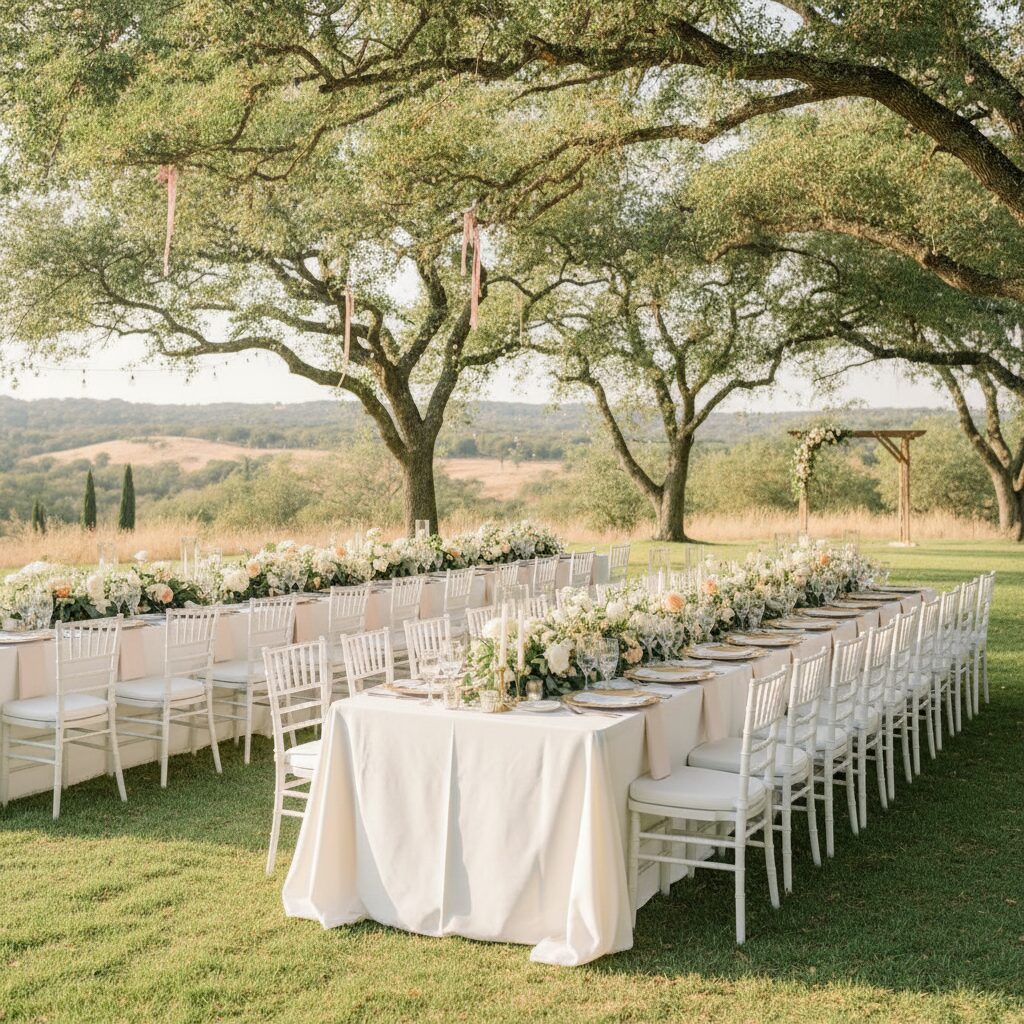
Start with the day-of-week grid, not a single flat rate
New venue owners tend to publish one number: “$8,000 per event.” That’s the fastest way to leave money on Saturdays and sit empty on Tuesdays. Wedding demand in Texas is aggressively concentrated — roughly 55–65% of bookings target Saturday, 15–20% Friday, 10–15% Sunday, and the remainder split across weekdays. Your pricing has to mirror that curve.
Here’s a working grid for a mid-tier Hill Country venue with a 150-guest capacity, indoor + outdoor ceremony options, and a getting-ready suite:
| Day | Peak Season | Shoulder Season | Off-Season |
|---|---|---|---|
| Saturday | $8,500 | $7,000 | $5,500 |
| Friday | $6,800 | $5,500 | $4,200 |
| Sunday | $5,900 | $4,800 | $3,800 |
| Thu / Mon–Wed | $4,200 | $3,500 | $2,800 |
Peak = March through early June, plus mid-September through mid-November. Shoulder = late June, early September, late November. Off-season = July, August, December, January, February. Yes, February technically includes Valentine’s weekend, and yes, you should carve that out as its own peak rate.
Why the Friday discount is smaller than you think
Friday weddings in Austin have grown from about 12% of bookings in 2019 to closer to 22% in 2024, driven by destination guests already taking a long weekend off. Don’t gut Friday pricing to 60% of Saturday. Hold it at 75–80%. Couples booking a Friday are usually cost-conscious but not desperate, and they’ll pay for the calendar slot.
Set your peak season rate against real Austin and Hill Country benchmarks
Pricing in a vacuum is guessing. Here’s where active listings sat as of the 2025 booking season, based on what venues published publicly and what couples reported paying on wedding forums and vendor directories:
- Downtown Austin urban venues (Brazos Hall, The Grand Lady, Prospect House): $8,500–$14,000 Saturday peak.
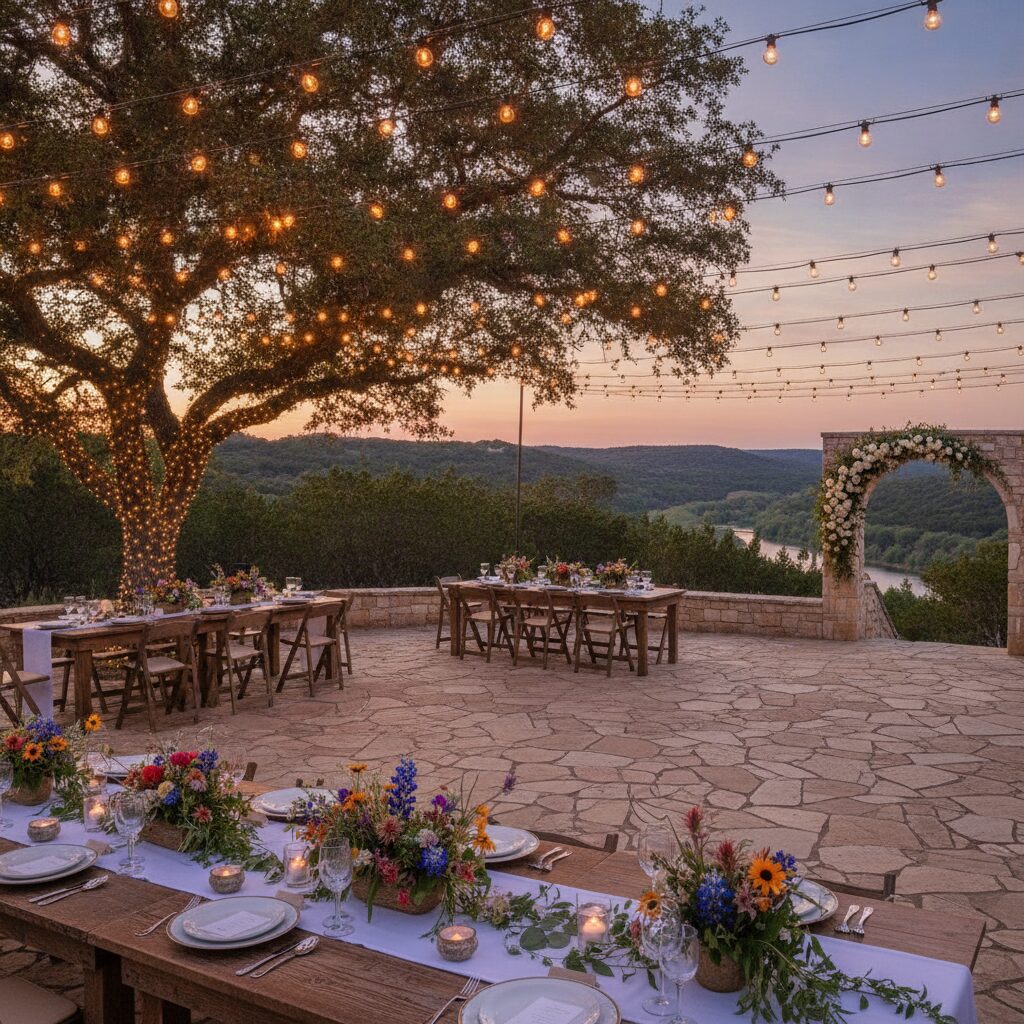
- Dripping Springs / Hill Country estates (Camp Lucy, Vista West Ranch, Ma Maison tier): $7,000–$12,000 Saturday peak.
- Wimberley, Blanco, Fredericksburg outdoor venues: $5,500–$9,500 Saturday peak.
- Barn and ranch venues within 45 minutes of Austin: $4,500–$8,000 Saturday peak.
- Houston, Dallas, and San Antonio equivalents: typically 10–20% below Austin comps for similar amenities.
If you’re a new listing without reviews, price at the 25th–40th percentile of your comp set for the first 12 months. Once you have 8–12 five-star reviews and photography from real events, raise 8–15% and hold. Don’t creep prices upward every quarter — annual increases with a clear “rates effective January 1” note read as professional.
Build packages, not à la carte menus
Couples planning a wedding are already comparing 40+ line items across vendors. The venues that convert fastest are the ones that reduce decision fatigue. A three-tier package structure works better than either a single flat rate or a full menu of add-ons.
The three-tier model
Tier 1 — Venue Only ($5,500 Saturday peak, example): 10 hours of site access, parking, restrooms, existing furniture, and getting-ready suite. Couple brings everything else. Good for couples with a full-service planner or those doing a heavily DIY event.
Tier 2 — Venue + Essentials ($7,500 Saturday peak): Everything in Tier 1 plus 150 chairs (ceremony and reception), 20 rectangle or round tables, basic linens in white or ivory, a PA system with two wireless mics, string lighting on the reception area, and a day-of coordinator for 8 hours. This is your workhorse package. Price it so 60–70% of bookings choose it.
Tier 3 — All-Inclusive ($11,500 Saturday peak): Everything in Tier 2 plus preferred-vendor catering (or a catering credit), bar service staff, floral centerpieces from a preferred florist, DJ or acoustic ceremony musician, and photography for 6 hours. You’re not delivering these services yourself — you’re pre-negotiating with vendor partners and marking up 10–15%. This tier is for couples who want to sign one contract.
What to always include in the base rate
Texas couples in 2025 expect these to be included, and charging separately for them makes your listing look nickel-and-dimed:
- Tables and chairs for stated capacity
- Basic sound system for ceremony (one mic + speaker)
- Parking (or clear alternative)
- Cleaning fee (build it in, don’t tack it on)
- Setup and breakdown time (build in 2 hours on each end)
- Getting-ready space or bridal suite access
- Liability insurance requirement info and vendor list
What’s fair to charge extra for
- Overtime beyond contracted hours ($400–$750 per hour is standard)
- Rehearsal dinner or ceremony rehearsal on a separate day ($500–$1,500)
- Sparkler or fireworks send-off ($200–$500 with fire marshal coordination)
- Late-night cleaning beyond midnight ($300–$600)
- Additional guests over the base capacity ($15–$25 per head)
The peak season calendar Texas venues actually follow
Texas has two clean peak windows because of the weather, not because of national wedding trends. Summer is out for outdoor venues — nobody wants a June ceremony at 3 p.m. in Blanco. Plan your rate calendar around that reality:
- Peak — Spring: March 15 to June 10. Wildflowers, bluebonnets, and tolerable heat. Highest demand of the year, especially late April and early May.
- Peak — Fall: September 15 to November 20. The best weather Texas offers. October Saturdays book 12–18 months out.
- Shoulder: Late February, early March, late November, early December.
- Off-season: Mid-June through early September (heat), plus January and most of February.
Rather than “discounting” your off-season Saturdays, package them. A “Winter Firelight” or “Summer Sunset” package at $5,500 with extended indoor hours and complimentary heaters or misting fans reads as intentional, not desperate. Couples who wouldn’t respond to “20% off” will book a themed package at the same price.
Deposits, payment schedule, and cancellation math
Your pricing structure isn’t finished until the payment terms are set. Texas venue standards:
- Booking deposit: 25–35% of total, non-refundable, due at signing.
- Second payment: 40% due 90–120 days before event.
- Final payment + damage deposit: Remaining balance plus a $500–$1,500 refundable damage deposit due 14–30 days out.
- Cancellation tiers: Full refund minus deposit if canceled 12+ months out, 50% refund at 6–12 months, no refund inside 6 months (with a date-transfer option to protect goodwill).
A date-transfer clause — allowing one reschedule within 18 months for a $500 admin fee — is the single most useful thing you can add. It prevents the aggressive refund fights that end up in reviews.
How to test and adjust your rates without whipsawing the market
Once you publish, resist the urge to change prices every month based on inquiry volume. Instead, run a 90-day test:
- Track inquiry-to-tour conversion. If fewer than 30% of inquiries book a tour, your rate is above the market for what your photos and reviews signal.
- Track tour-to-booking conversion. Under 20% means either the venue underdelivers versus photos, or your Tier 2 package is missing something obvious.
- Watch the calendar shape. If Saturdays fill 9+ months out but weekdays sit empty, your weekday rate needs a bigger cut or a named “intimate wedding” package under 60 guests.
Adjust once per quarter, not per inquiry. And when you raise rates, raise them on future dates only — never on couples who’ve already asked for a quote in the last 30 days.
Listing your venue with logistics built in
Where you list matters almost as much as how you price. Directories that show pricing publicly (The Knot, WeddingWire, Peerspace, and marketplace platforms like HomeShow.ai) will out-convert opaque “request pricing” sites for anything under $15,000. Couples in the $6,000–$10,000 tier want to filter on price and stop calling around.
Whatever platform you use, make sure your listing includes: max capacity by event type (ceremony vs seated dinner vs cocktail), included furniture inventory with counts, parking capacity, catering rules (open vendor vs preferred list vs in-house only), noise ordinance end time, and clear photos of the getting-ready spaces. The venues that answer these questions in the listing get 2–3x the qualified inquiries of ones that make couples ask.
Set your grid, name your packages, hold your peak rates, and let the calendar do the negotiating for you.