Foundation Repair Cost in Texas: Pier Counts, Warranties, and Red Flags
Foundation repair cost in Texas typically lands between $4,500 and $15,000 for a residential slab, with per-pier pricing of $300 to $1,200 depending on pier type, depth, and access. A small interior settlement job might run eight piers and finish under $4,000. A full perimeter lift on a 2,400-square-foot house in Austin or Plano can cross $20,000 once interior piers, plumbing tests, and drainage corrections are added. The price swings less on materials than on two things: how many piers an engineer actually specifies, and which warranty language the contractor is willing to put in writing.
Here is what those numbers really mean, how steel piers compare to pressed concrete, and the contract clauses that separate honest Texas foundation companies from the ones that survive on upsells.
What Foundation Repair Actually Costs in Texas in 2025
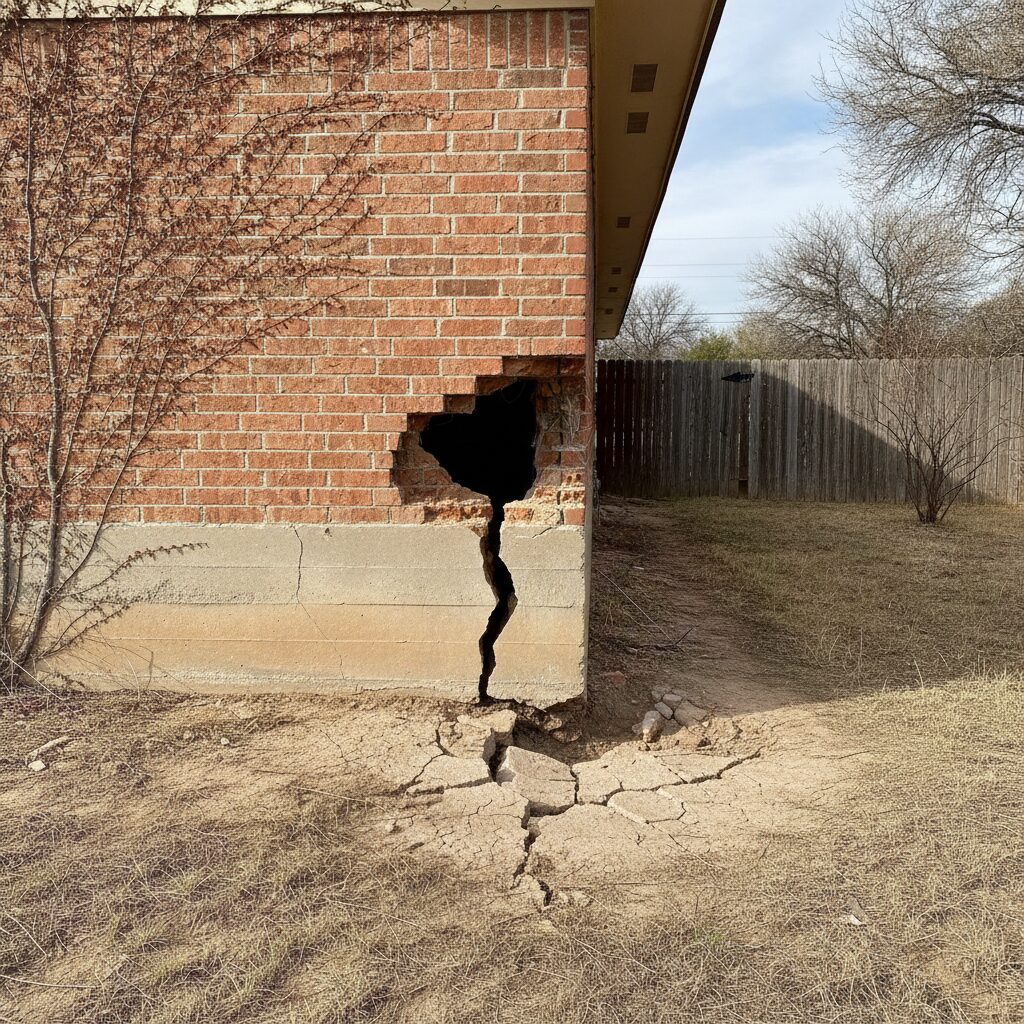
Texas soil does the damage. Most of the state — Dallas-Fort Worth, Austin, Houston, San Antonio — sits on expansive clay that swells in wet seasons and shrinks in droughts. That cycle pushes slabs up and lets them drop, cracking interior drywall and separating brick veneer from window frames. Repair pricing reflects the labor of stabilizing the slab against that soil, not just the steel or concrete you buy.
Rough averages from quotes pulled across Central and North Texas:
| Pier type | Per-pier cost (installed) | Typical depth | Best use |
|---|---|---|---|
| Pressed concrete piers | $300–$500 | 8–12 ft | Slab perimeters, mild settlement |
| Steel push piers | $800–$1,200 | 15–25+ ft | Heavy structures, deep clay, pier-and-beam |
| Helical (screw) piers | $1,000–$1,500 | 15–30 ft | Additions, decks, light commercial |
| Bell-bottom piers | $500–$900 | 10–12 ft | New construction, planned underpinning |
| Mudjacking / polyurethane | $5–$25 per sq ft | N/A | Driveways, patios, small voids |
Most Texas homeowners need somewhere between 8 and 20 piers. A common quote on a 2,000 sq ft slab with one settled corner and a hairline interior crack: 10 pressed concrete piers at $425 each, plus a $750 mobilization fee and a $400 post-repair plumbing leak test. Total: about $5,400.
Add interior piers (which require breaking and re-pouring sections of slab) and the per-pier price climbs $200–$400 because of demolition and concrete work. Add a tunneling job — where crews dig a 3-foot crawlspace under the slab to reach interior beams without breaking the floor — and you can spend $4,000–$8,000 just on excavation.
Steel Piers vs. Concrete Piers: What You’re Actually Paying For
This is where contractors love to upsell. Steel piers cost two to three times more than pressed concrete. Sometimes that premium is worth it. Often it is not.
Pressed concrete piers
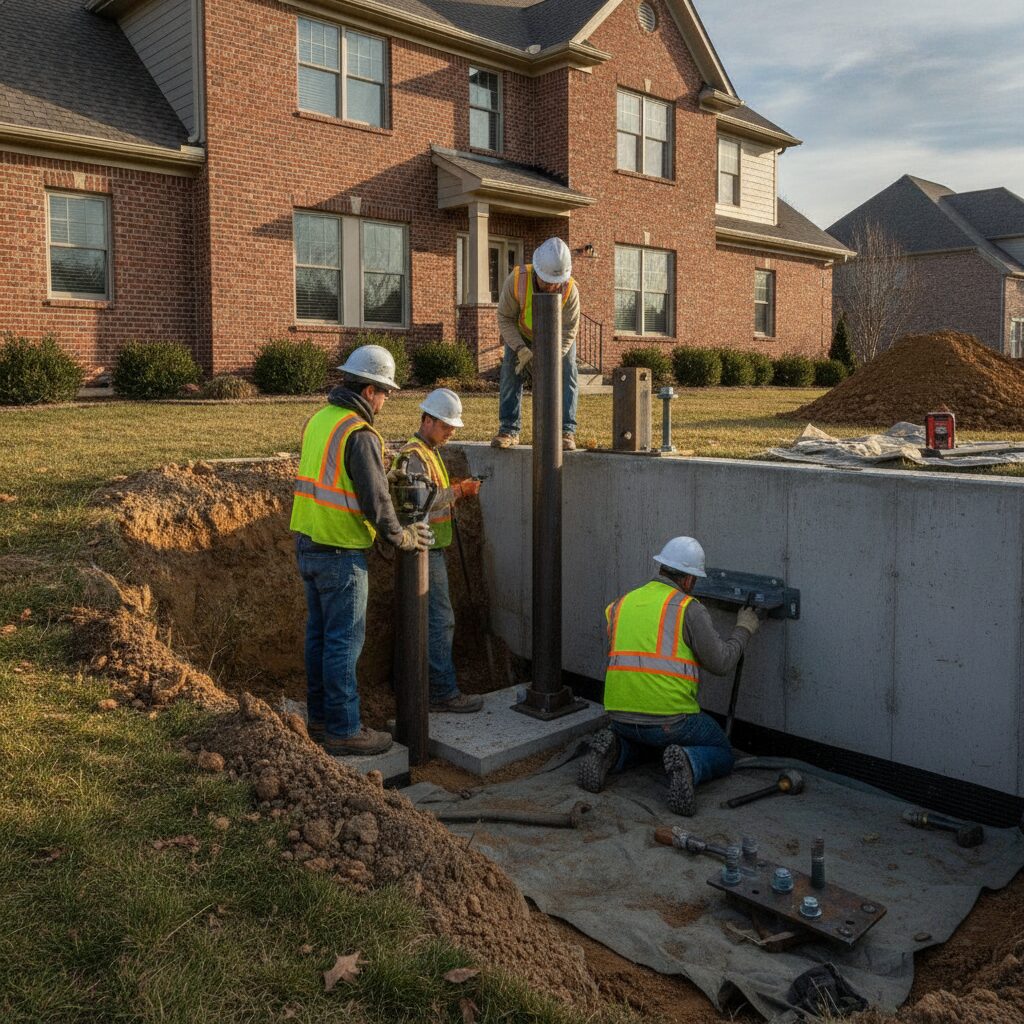
A pressed concrete pier is a stack of 12-inch cylindrical concrete segments hydraulically driven into the ground until they hit refusal — the depth where the soil stops compressing. In typical North and Central Texas clay, that ends up around 8 to 12 feet. The pier is then capped, and a hydraulic jack lifts the slab onto a steel shim pack.
Pros: cheap, fast, proven on millions of Texas homes since the 1970s. Cons: depth is limited by what the hydraulic ram can push against (the weight of your house), and the segments are not mechanically connected, so significant lateral soil movement can shift them out of plumb over decades.
Steel push piers
Steel push piers are hollow steel pipes hydraulically driven in sections until they reach load-bearing strata — often bedrock or dense sand 20+ feet down. Because the sections thread or sleeve together, the pier acts as a continuous column. Once driven, a hydraulic jack lifts the structure and locks it to the pier with a steel bracket.
Pros: reaches stable load-bearing soil regardless of clay depth, better for heavy two-story brick homes, more predictable lift. Cons: more expensive, and on a single-story slab with shallow refusal, you may be paying for depth you don’t need.
A useful rule: if your geotechnical report (or your contractor’s soil probe) shows competent bearing soil within 12 feet, pressed concrete usually does the job. If the clay layer runs 18+ feet deep, or the house is heavy masonry, steel earns its premium.
How Pier Counts Get Inflated
The single biggest variable in your bill is how many piers the contractor recommends. Two reputable companies can walk the same house and come back with 9 piers and 18 piers. That is not always dishonesty — it reflects different repair philosophies — but it is where you need to push.
Ask each contractor:
- Where are the elevation readings? A real assessment includes a Ziplevel or laser survey with numeric readings every few feet. If they eyeball it and quote piers, walk away.
- Which piers correct settlement, and which are preventative? Preventative piers exist. They can be reasonable. But they should be a line item you can decline.
- Have you run a static plumbing test? In Texas, foundation movement and broken sewer lines feed each other. Lifting a slab over a leaking cast iron line is a $12,000 mistake.
- What does a structural engineer say? An independent engineer’s report costs $400–$700 and will tell you the actual minimum pier count. Some homeowners get the engineer report first, then bid it out to three contractors against the same spec.
That last move — engineer first, bids second — is the single best way to avoid overpaying. It also reframes the conversation from “trust me” to “match this spec.”
Lifetime Warranty Fine Print
Almost every Texas foundation company advertises a “lifetime transferable warranty.” The phrase is nearly meaningless until you read the document. Here is what to look for, and what to push back on.
What “lifetime” actually covers
Most lifetime warranties cover the piers themselves — meaning the contractor will come back and re-drive or re-shim a pier that fails. They generally do not cover:
- Areas of the foundation that were not piered in the original job
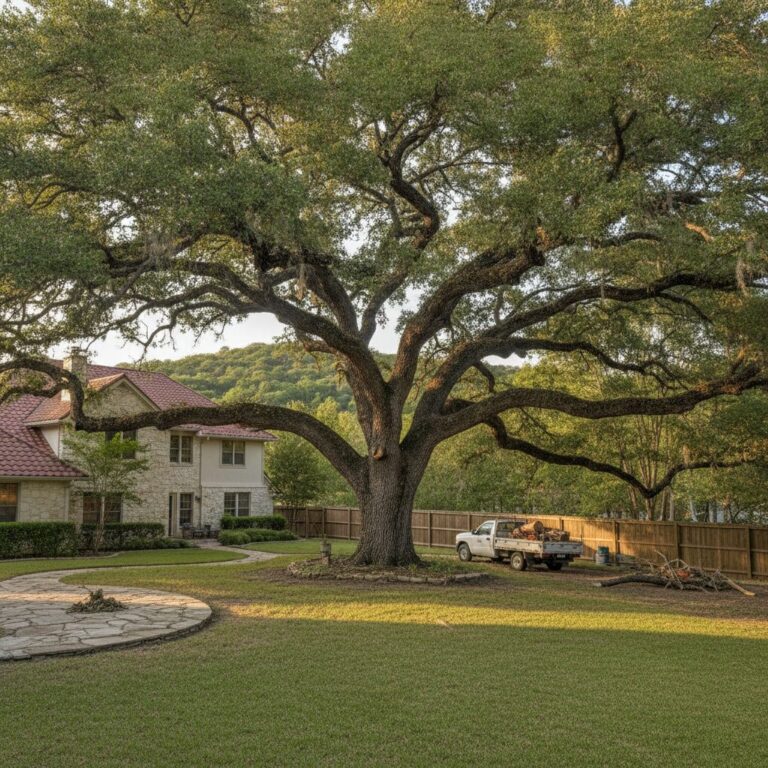
- New settlement caused by plumbing leaks, drainage issues, or trees
- Cosmetic repairs (drywall, brick, tile, paint)
- Movement of less than a specified threshold, often 1 inch
That last clause is the one homeowners miss. A 7/8-inch drop that cracks every interior door frame is, per the warranty, “within tolerance.” Read the threshold before you sign.
Transferability traps
“Transferable” often means transferable once, within 30–60 days of closing, with a $250–$500 transfer fee and a re-inspection the new buyer pays for. If you are buying a Texas home with a foundation history, get the warranty document — not the marketing brochure — into your inspection period.
Service call fees
Watch for warranty language that requires a “service fee” or “adjustment fee” of $250–$750 per visit. A free lifetime warranty that charges $500 every time you call is not free.
Company longevity
A lifetime warranty is worth exactly as long as the company exists. Texas has dozens of foundation companies that rebranded after lawsuits. Check the entity on the Texas Secretary of State site, look at how long the current LLC has filed taxes, and search the BBB and Google reviews for the previous business names listed on the contractor’s truck or business cards.
Red Flags When Vetting Texas Foundation Contractors
After enough quotes, patterns emerge. These are the signals that justify ending the conversation:
- Door-knocking after a storm. Reputable foundation companies do not canvass neighborhoods. Storm-chasers selling foundation work do.
- Pressure to sign today. “This price is only good if you sign now” is the oldest tell in home services. Foundation pricing doesn’t move that fast.
- No written scope. Your contract should list pier count, pier type, exact locations on a drawing, lift target in inches, and post-repair plumbing test responsibility.
- No engineer involvement available. A contractor who won’t work to an independent engineer’s spec is telling you something.
- Cash discounts that vanish with financing. A 20% cash discount usually means the “real” price is the cash price and financing customers are overpaying.
- No Texas state license discussion. Texas doesn’t license foundation repair contractors specifically, which is exactly why you need to verify general business credentials, insurance certificates, and engineer relationships yourself.
- Vague warranty document. If they hand you a one-page warranty with no exclusions section, the exclusions are unwritten — and they will be invented when you call back.
Getting Three Real Bids
The cheapest way to lower your foundation repair cost in Texas is to bid the job properly. A workable process:
- Hire an independent structural engineer ($400–$700) for an elevation survey and a written scope.
- Send the engineer’s report to three contractors and ask each to price the same scope.
- Compare per-pier pricing, mobilization fees, plumbing test inclusion, and warranty documents side by side.
- Choose on documented scope and warranty clarity, not on the lowest headline number.
Homeowners who do this in Austin, Houston, and DFW routinely save $2,000–$5,000 compared to accepting the first quote — and end up with a paper trail that helps at resale.
What This Looks Like on a Real Texas House
A 1998 brick veneer home in Round Rock, 2,180 sq ft, single-story slab. Owner notices a sloping floor in the back bedroom and a hairline brick crack above the patio door.
- Engineer survey: 1.4-inch drop at the southeast corner, no significant interior movement. Recommendation: 9 perimeter piers at the rear, no interior work, plus a post-repair static plumbing test.
- Bid A (national franchise, steel push piers): 11 piers, $13,750, lifetime transferable warranty with $350 service fee.
- Bid B (mid-size local, pressed concrete): 9 piers, $4,275, lifetime warranty, no service fee, free re-shim for 10 years.
- Bid C (small local, pressed concrete): 9 piers, $3,950, 25-year warranty, $250 service fee.
Bid B wins on warranty terms even though it isn’t the cheapest. Steel piers in Bid A weren’t warranted by soil conditions — the engineer report showed competent bearing at 9 feet.
Where HomeShow.ai Fits
Foundation repair is the kind of job where the home’s paper trail matters as much as the work itself. Store the engineer’s report, before-and-after elevation readings, the signed warranty document, and your three bids in HomeVault so you can hand them to a buyer in five years without a frantic email search. The Homie™ assistant can also flag warranty transfer windows so you don’t lose coverage at closing.
Texas foundations move. The cost of fixing them is knowable, the warranties are negotiable, and the contractors are vettable. Spend the $500 on an engineer first. Everything downstream gets cheaper and clearer from there.